
At Race Across Series, we know that in ultra-cycling events, it’s often the little details that make all the difference. And when it comes to riding at night, properly adjusted lighting is essential for greater comfort and peace of mind as you tackle the kilometers.
During bike checks, certain mistakes come up time and time again, even though they’re easy to fix. With tips from our partner Go’Lum, we’re sharing three simple things to check on your headlamp before you set out, so you can get the most out of your nighttime rides.
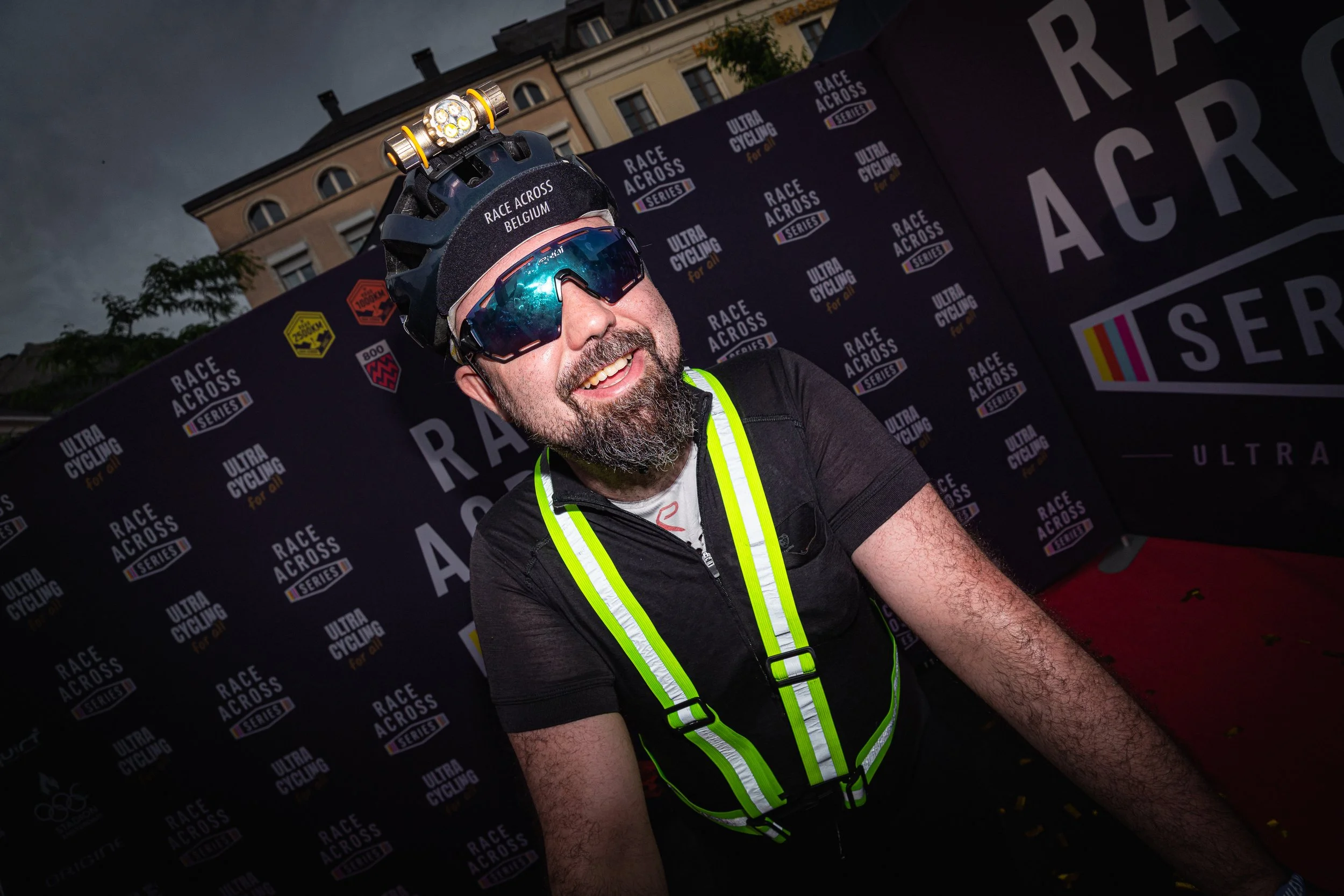
1. Aim your light beam correctly
The first thing you should do is check the angle of your headlamp. Ideally, the beam should be directed slightly downward to illuminate the road ahead and allow you to anticipate obstacles.
A beam that’s aimed too high may illuminate the sky or blind other road users. Conversely, if it’s aimed too low, you’ll mainly be lighting up your front wheel. In either case, your visibility will be reduced, and you’ll have to work harder to assess your surroundings. Over time, this can lead to additional eye strain.
Our tip: Take a few moments to test your lights in the dark. Get into your riding position on your bike and make sure your beam shines far enough ahead of you, without being aimed too high or too low.
2. Make sure your lamp is securely fastened
A headlamp that isn't secured properly can shift as you ride and cause slight vibrations. These movements can interfere with your vision and affect your comfort, especially on long rides.
Checking your setup couldn't be easier: just pick up your helmet and shake it gently. Your headlamp and its mount should stay securely in place, without excessive movement.
A stable mount ensures consistent lighting and prevents the slight movements that can become bothersome over time.
Our tip: Perform this test before every ride. It only takes a few seconds, but it can significantly improve your comfort during your night ride.
3. Position your headlamp to reduce neck strain
The placement of your headlamp on the helmet also plays an important role in your comfort. If it is positioned too low or too far forward, its weight can increase the strain on the front of the helmet.
As the kilometers go by, this strain can put additional stress on the neck muscles and contribute to the onset of neck pain.
The goal, then, is to find the position in which you feel the weight of your headlamp the least, while still maintaining effective beam direction.
Our tip: Try different positions, then put your helmet on to check how comfortable it is. Take the time to find the right balance before you set off: on a ride of 200 km or more, every detail counts!
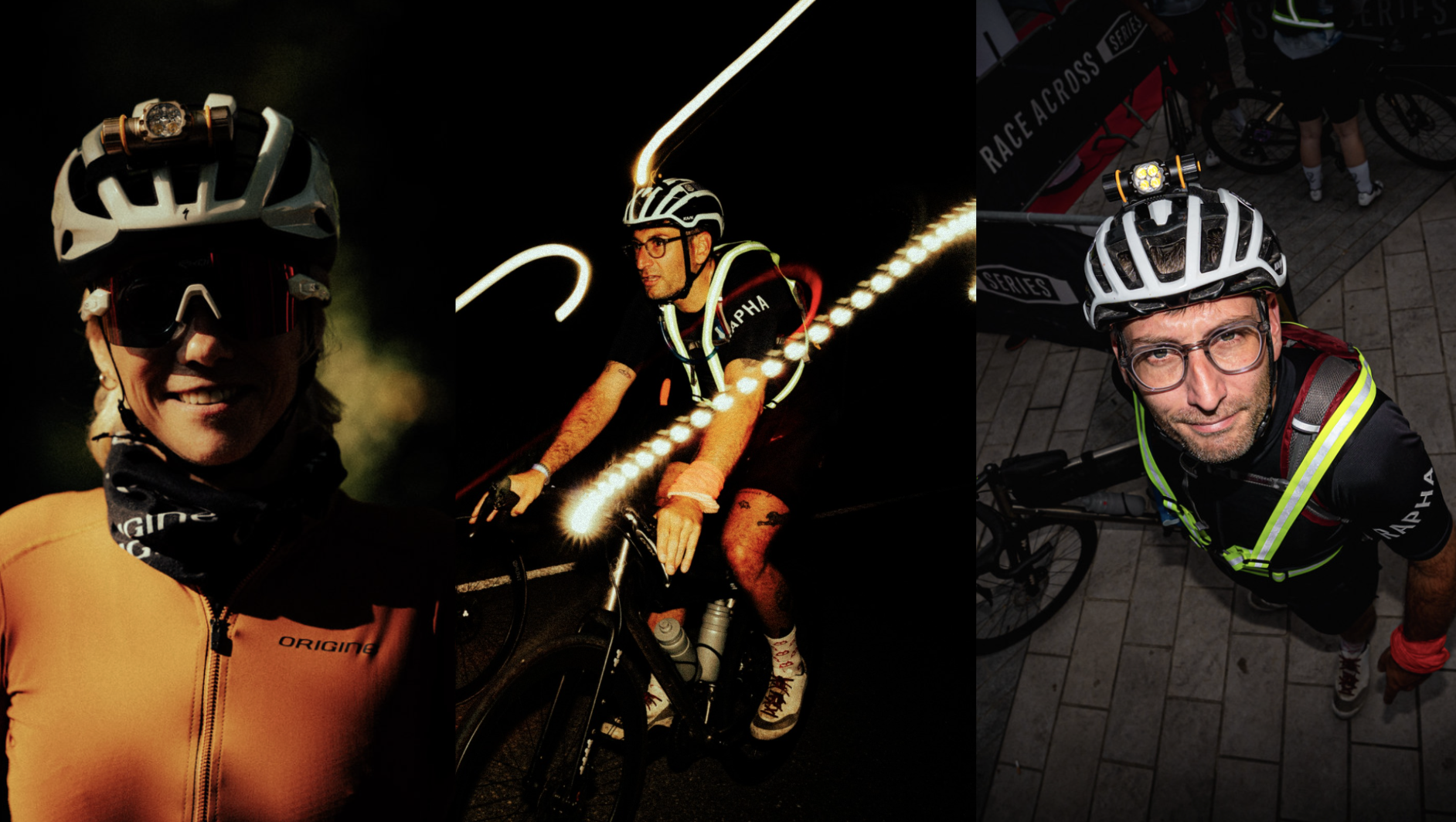
A good headlamp is one you don't even notice you're wearing!
These three checks are quick and easy to do. Yet they can make a real difference when you’re logging hours of cycling in the dark.
A properly adjusted headlamp is a lamp:
Keep your eyes on the road to anticipate obstacles and maintain good visibility.
Securely fastened to prevent movement and vibration.
Well-positioned to keep you comfortable as the kilometers go by.
The goal is simple: to find lighting that is both effective and comfortable—so you won't have to worry about it while you're working out.
So, before your next night drive, take a few moments to check your vehicle. You'll be better prepared to enjoy the road to the fullest, even after dark.
Now all you have to do is drive at night!
Would you like to learn more about Go’Lum and explore their world? Visit their website!
