
Energy Management: How to Fuel Up Properly for Long Distances
Bikepacking races and ultra-endurance events push the body and mind to their limits. Whether you’re lining up at the start of a 200 km By Night race, a 300 km, a 500 km, a 1,000 km, or even the legendary 2,500 km, your nutrition and hydration strategy is just as important as your training or your gear.
This guide brings together practical tips to help you prepare for your next ultra-distance adventure, based on the experience of nutrition professionals and long-distance cyclists, as well as scientific data.
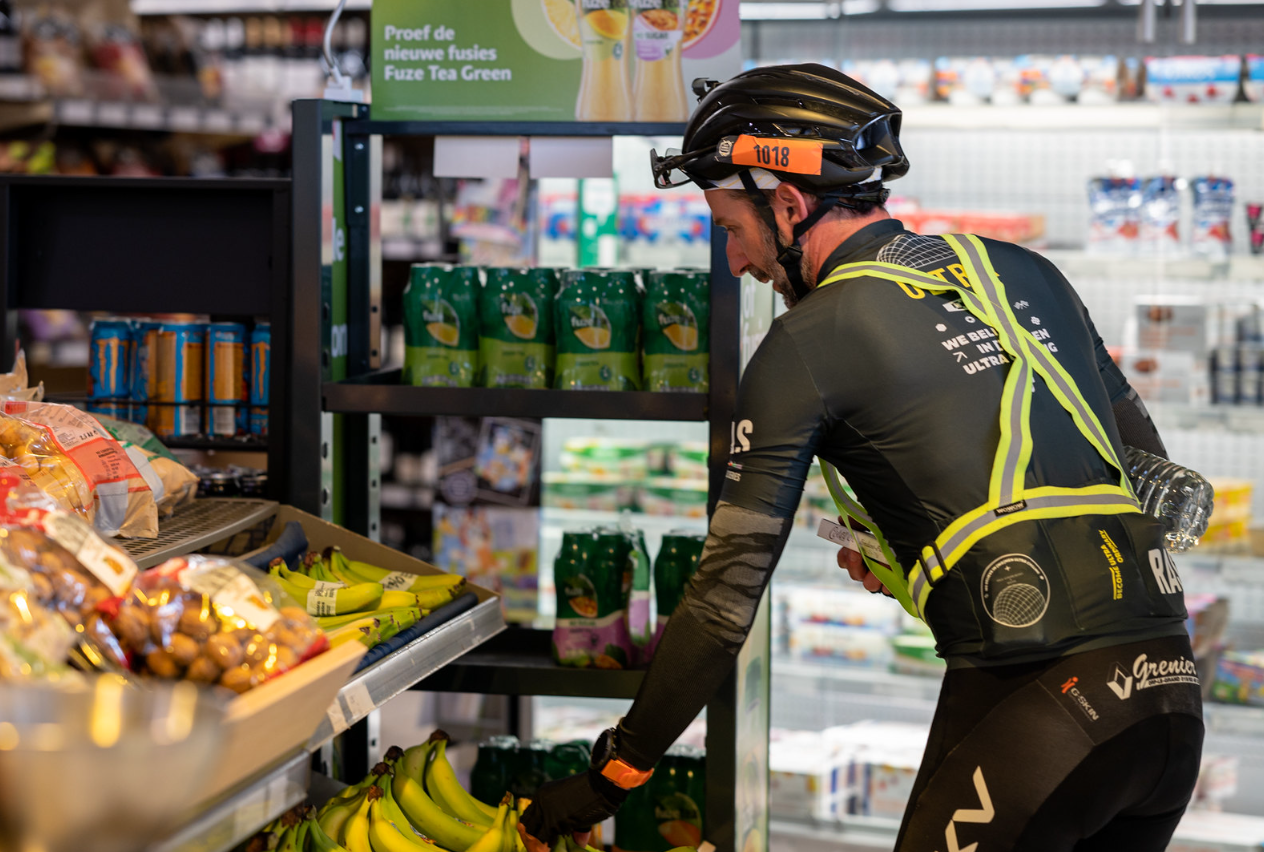
Cyclist from the Race Across Belgium in a supermarket © Jennifer Nguyen
1. The Basics of Nutrition for Ultra-Distance Events
Before discussing specific running strategies, it is essential to understand how your body produces and uses energy during prolonged exercise.
Carbohydrates: Quick Energy
Carbohydrates are your main source of energy during sustained physical activity. Stored as glycogen in the muscles and liver, they must be regularly replenished to avoid that well-known energy crash, often referred to as a “sugar crash.”
Fats: The Body’s Primary Energy Source
Fats are an extremely efficient source of energy during low- to moderate-intensity exercise. They help maintain a steady pace over very long distances.
Proteins: Recovery and Repair
Protein is not a primary source of energy, but it plays a vital role in muscle recovery, especially during multi-day races.
Your nutritional goals
60 to 90 grams of carbohydrates per hour, depending on the intensity of the exercise.
500 to 750 ml of liquid per hour, adjusted according to the temperature.
Electrolytes (including sodium and potassium) to prevent cramps and maintain proper fluid balance
2. Before the race: make sure your tanks are full
The 48-hour rule
Nutritional preparation begins well before the race. During the two days leading up to the event, gradually increase your intake of carbohydrates (rice, pasta, potatoes) to maximize your glycogen stores.
Avoid foods that are very high in fiber or fat, as they can upset your digestion.
And above all: don’t forget to stay hydrated. Starting a race while already dehydrated is one of the main causes of premature fatigue.
The last meal (3 to 4 hours before departure)
Choose foods that are easy to digest:
Oatmeal with banana and honey.
Rice served with eggs and avocado.
White bread with peanut butter.
Avoid:
Heavy, high-fat meals that slow down digestion.
Tip: Many cyclists drink a high-carbohydrate energy drink right before the start to get a final boost of easily absorbed energy.
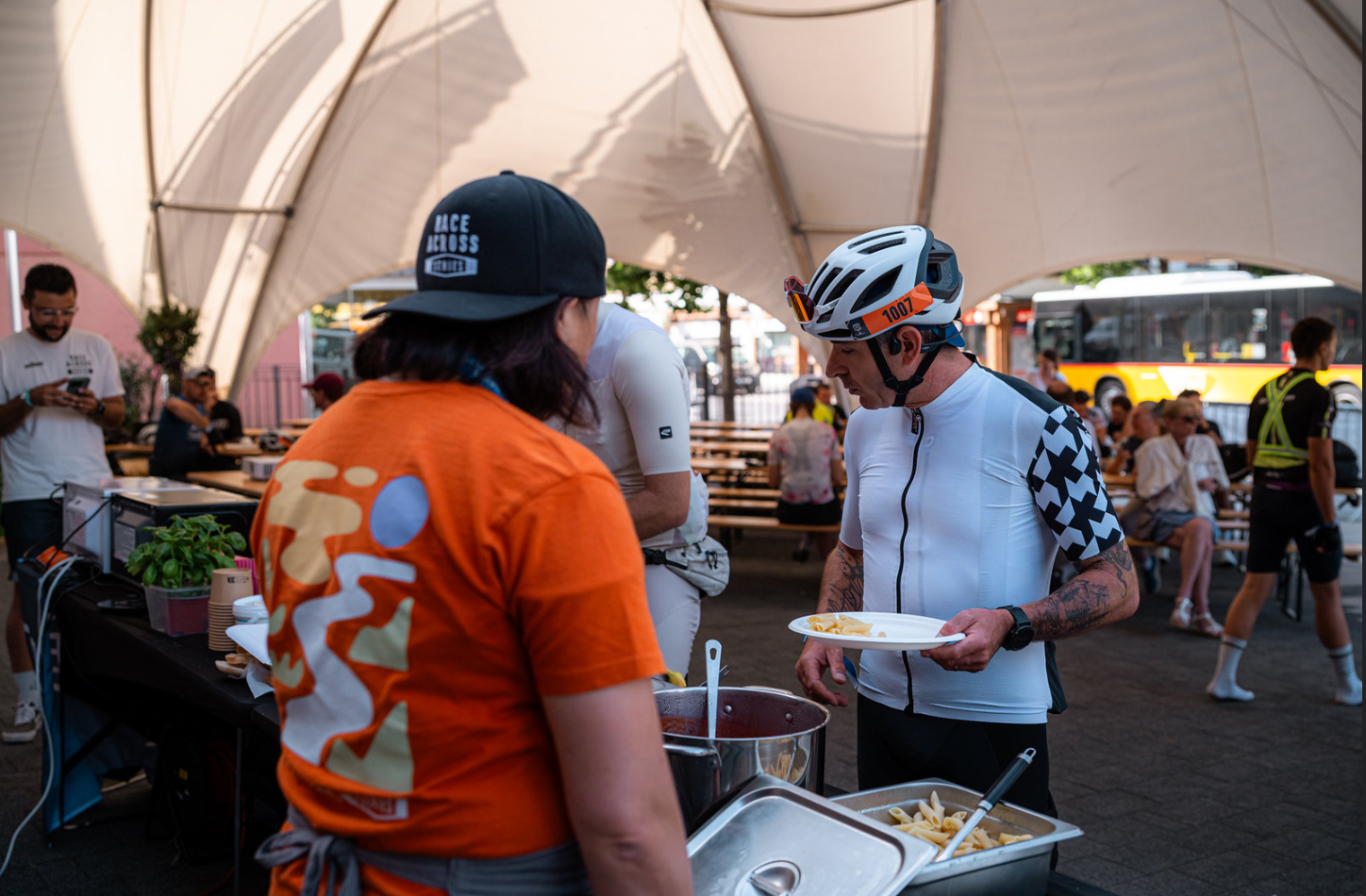
Cyclist refueling during the Race Across Series © Edouard Hanotte
3. On the Bike: Nutrition Strategies During the Race
In ultra-distance racing, eating is an integral part of the race. Your food should be convenient, portable, and easy to digest.
The Gas Station Strategy
When driving on a limited budget, gas stations often become your best allies.
Some of the interesting options include:
Chocolate milk: an excellent balance of carbohydrates and protein.
Bananas: easy to digest and rich in potassium.
Sandwiches: turkey, cheese, or peanut butter for a more substantial meal.
Salty snacks: potato chips, pretzels, or crackers to replenish lost sodium.
Coca-Cola: a quick boost of sugar and caffeine to restore energy and alertness.
Sports Nutrition
For the more challenging sections of the course, sports nutrition can be particularly helpful:
High-carbohydrate energy drinks.
Energy gels, especially those containing caffeine for nighttime rides or long climbs.
Tip: Alternate between solid and liquid foods to prevent food aversion and digestive problems.
Storage tip
Keep frequently consumed foods (gels, energy bars) in your top tube bag so they’re easy to reach.
Place larger items (sandwiches, wraps, tortillas) in your frame bag to maintain a balanced center of gravity.
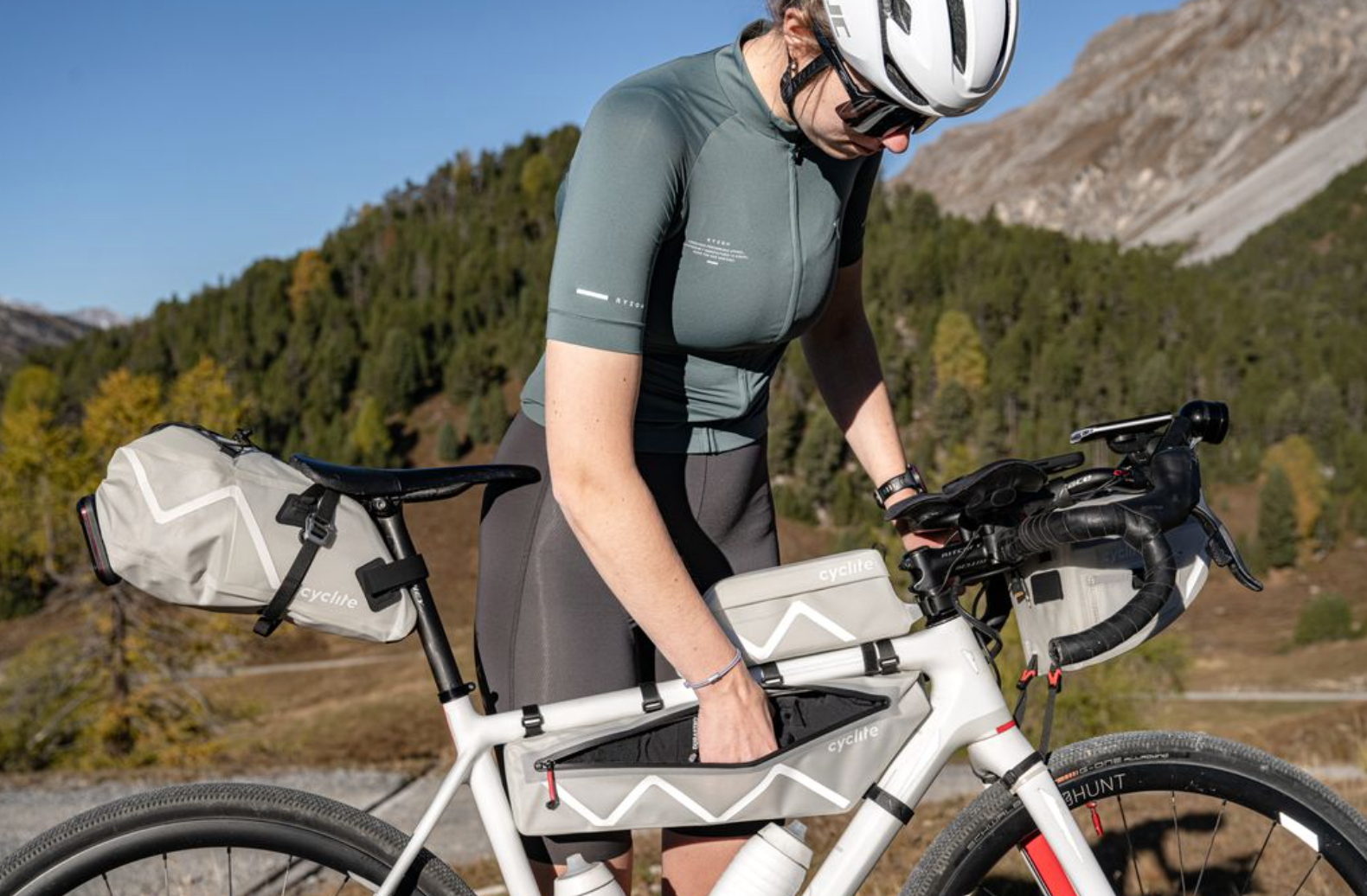
© Cyclite
4. Hydration: Much More Than Just Drinking Water
Dehydration is one of the quickest ways to hinder your progress.
The 500–750 ml rule
Try to drink at least one bottle per hour, and more in hot weather.
The trap of water alone
Drinking only water in large quantities can dilute the body’s sodium levels and cause hyponatremia.
Be sure to add electrolytes to at least one of your water bottles or your hydration pack.
5. Driving at night and coping with sleep deprivation
When night falls, your body functions differently.
Use caffeine wisely
Caffeine can be a valuable ally in helping you stay alert. However, if you plan to take a nap, be sure not to have it too late in the day, so you don’t end up feeling tired but unable to sleep.
The comfort of a hot meal
On a cold night, a hot meal—or even a simple cup of broth bought at a gas station—can really lift your spirits and help with digestion.
6. Recovery: The race continues after the finish line
An ultra-distance race doesn’t end at the finish line. Recovery begins immediately.
The first 30 minutes
Eat a combination of carbohydrates and protein right away to promote muscle recovery:
Chocolate milk.
Recovery drink.
A snack suitable for physical activity.
The next day
Choose:
Balanced meals.
Plenty of hydration.
An adequate intake of protein and carbohydrates.
Even though a cold beer at the finish line is often tempting, be sure to rehydrate with water first before celebrating your achievement.
Conclusion: Test your strategy before the big day
Nutrition for ultra-distance events is very personal. What works perfectly for one cyclist may not work for another.
The most important rule is this: never try anything new on race day.
Use your training runs as an opportunity to experiment with your food choices, try out the products you’re considering using, and see how your body reacts to them.
Plan your route, pack your gear, and keep your engine running throughout the adventure.
Eat smart. Drive faster.
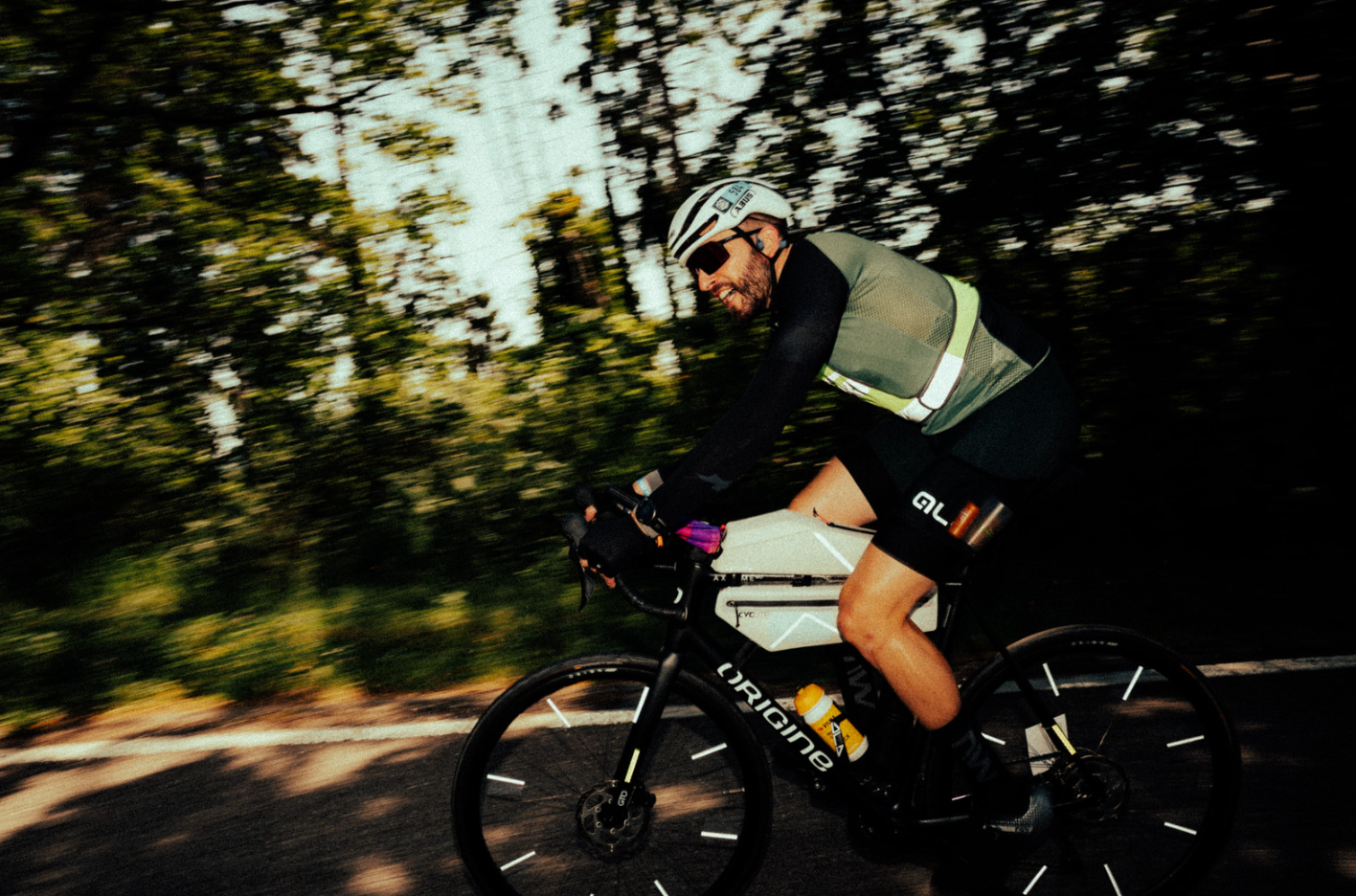
Cyclist on the 500km Race Across Benelux route © Robin Issartel
